Since 2017, BOP have been a core data partner to UNESCO, building a global evidence base around the progress, challenges, and trends shaping culture and the creative industries.
This February, UNESCO launched the 2026 edition of its Re|Shaping Policies for Creativity report at UNESCO Headquarters in Paris. Director Richard Naylor spoke alongside Ernesto Ottone R., Assistant Director General of UNESCO, Jordi Baltà Portolés, and Ekaterina Travkina on data maturity in the cultural sector, where he made the case that
“Cultural data is made, not found and deserves the same level of investment as any other sector.”
Drawing on data from 120+ countries, this edition of the report maps a rapidly changing cultural landscape, identifying new opportunities and risks for creators across ten key areas including AI, global trade, sustainable development, mobility, gender equality, and artistic freedom.
BOP’s role has been to gather and interpret global datasets and create new ones to fill existing data gaps in the sector. We worked closely with the editorial board to develop evidence-led insights to shape recommendations around stronger, more inclusive cultural policies and initiatives for greatest impact on communities and creators.
For our team, it was a defining moment to help build the global evidence base supporting cultural policy at the highest level.
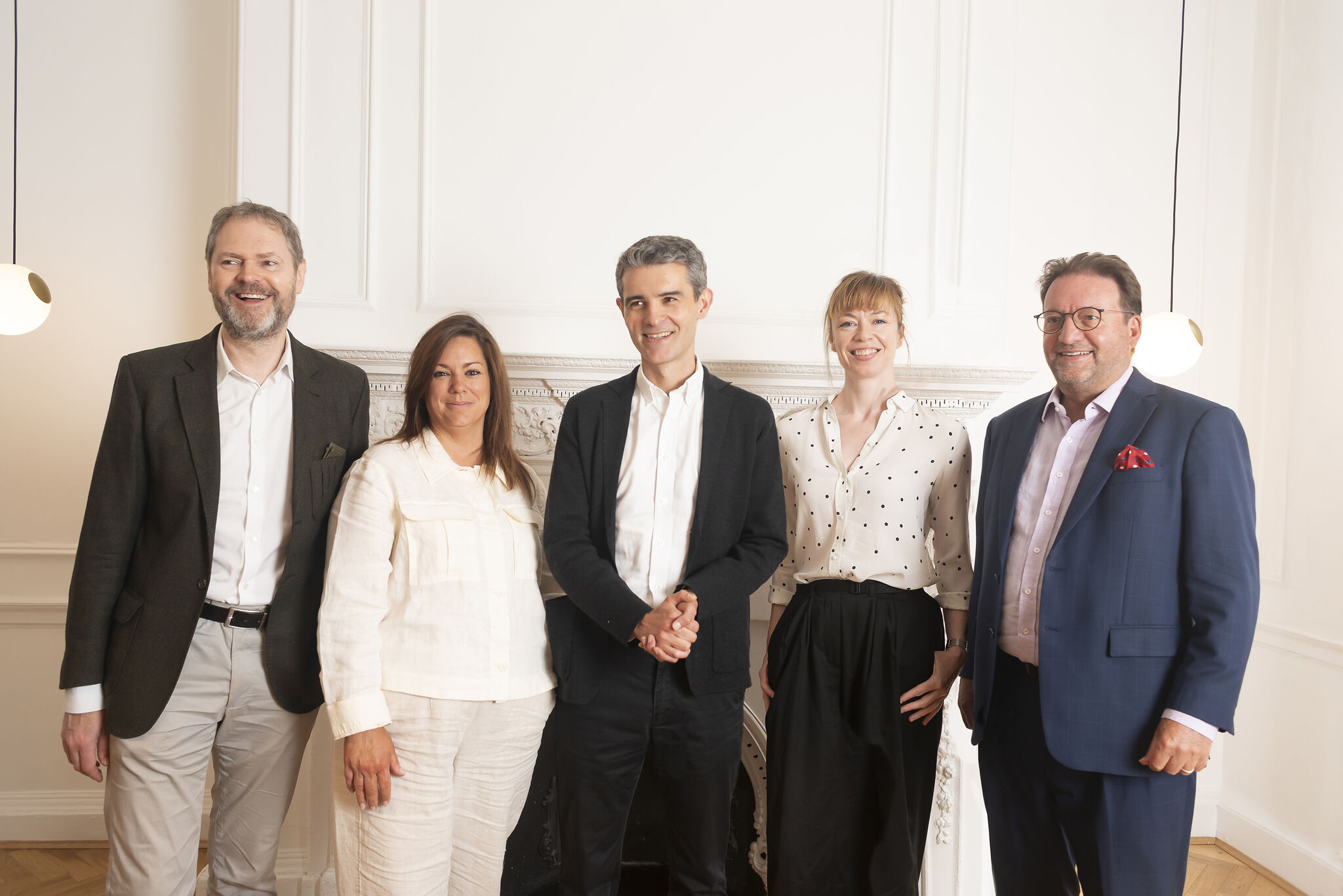
Congratulations to the full BOP research team: Richard Naylor, Lizzie Parker, Yasmeen Safaie, Nóra Ruzsiczky, and Yuhan Ji.