
Culture is shaping how destinations attract tourists
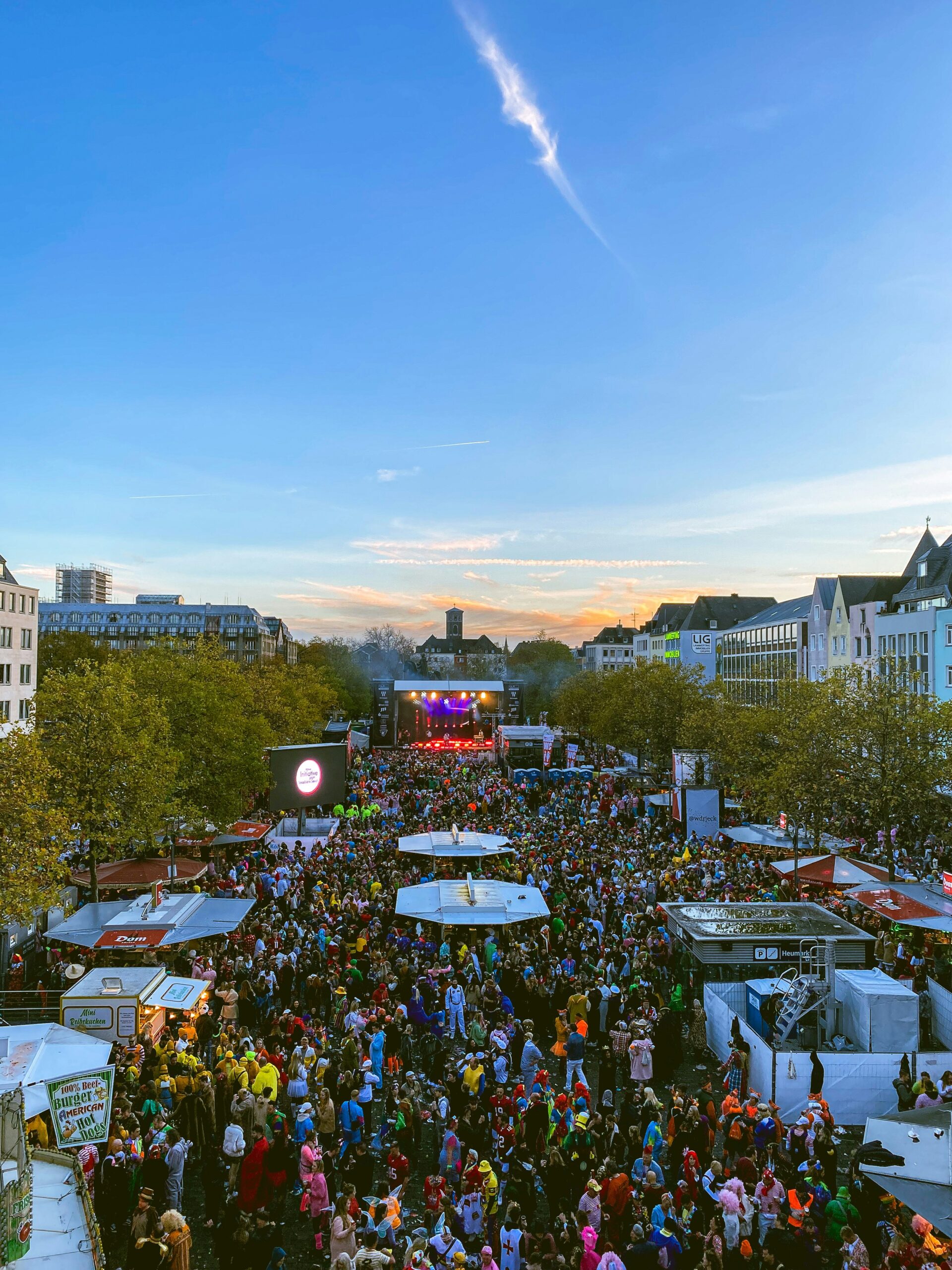
The UNWTO defines cultural tourism as travel where the primary motivation is to engage with and experience a destination’s tangible and intangible cultural assets, including heritage, arts, traditions, cuisine, and local lifestyles. This kind of tourism is a growing force within the global visitor economy, particularly in urban destinations. City tourism now accounts for around 80% of global tourism activity. Culture is a major contributor to attracting these tourists.
“Our research shows that cultural tourism in cities is valued at $750bn and is outpacing resort tourism in terms of growth.”
Yet despite its scale and impact, cultural tourism is often overlooked in strategic destination planning. Tourism continues to be treated primarily as a promotional challenge, and many cultural institutions do not view themselves as part of the visitor economy.
This reflects a structural gap: strong products and experiences drive demand, but tourism strategy remains campaign led. To attract visitors, destinations will need to shift towards product and place- led planning, embedding cultural infrastructure and institutions in tourism development, aligning with programming, and managing growth through sustainability and capacity frameworks.
Yet despite its scale and impact, cultural tourism is often overlooked in strategic destination planning. Tourism continues to be treated primarily as a promotional challenge, and many cultural institutions do not view themselves as part of the visitor economy.
This reflects a structural gap: strong products and experiences drive demand, but tourism strategy remains campaign led. To attract visitors, destinations will need to shift towards product and place- led planning, embedding cultural infrastructure and institutions in tourism development, aligning with programming, and managing growth through sustainability and capacity frameworks.
“While the “Bilbao effect” remains a seductively simple idea, the reality is more complicated: a destination’s cultural attractiveness is shaped by a combination of complementary attractors. ”
Places perform well when destination, activations, and venues are aligned within a coherent strategy. For those responsible for planning tourism and culture this means consistent, outcome-led data on behaviour, engagement, impact, and capacity is essential to understanding performance, guiding investment, and managing growth.
For clients setting strategic direction for tourism, we provide services across these three domains to support sustainable cultural planning.
These themes will be explored further in our upcoming briefing, Cultural Tourism: Place over Promotion, where we will examine why the destinations outperforming their peers are increasingly those investing in cultural assets, experiences and institutions, rather than relying on promotion alone.
Learn more about our Data and Intelligence for destination organisations, government agencies, developers and place leaders here.